


More than a century ago, J.P. Morgan said:
“Gold is money and all else is credit.”
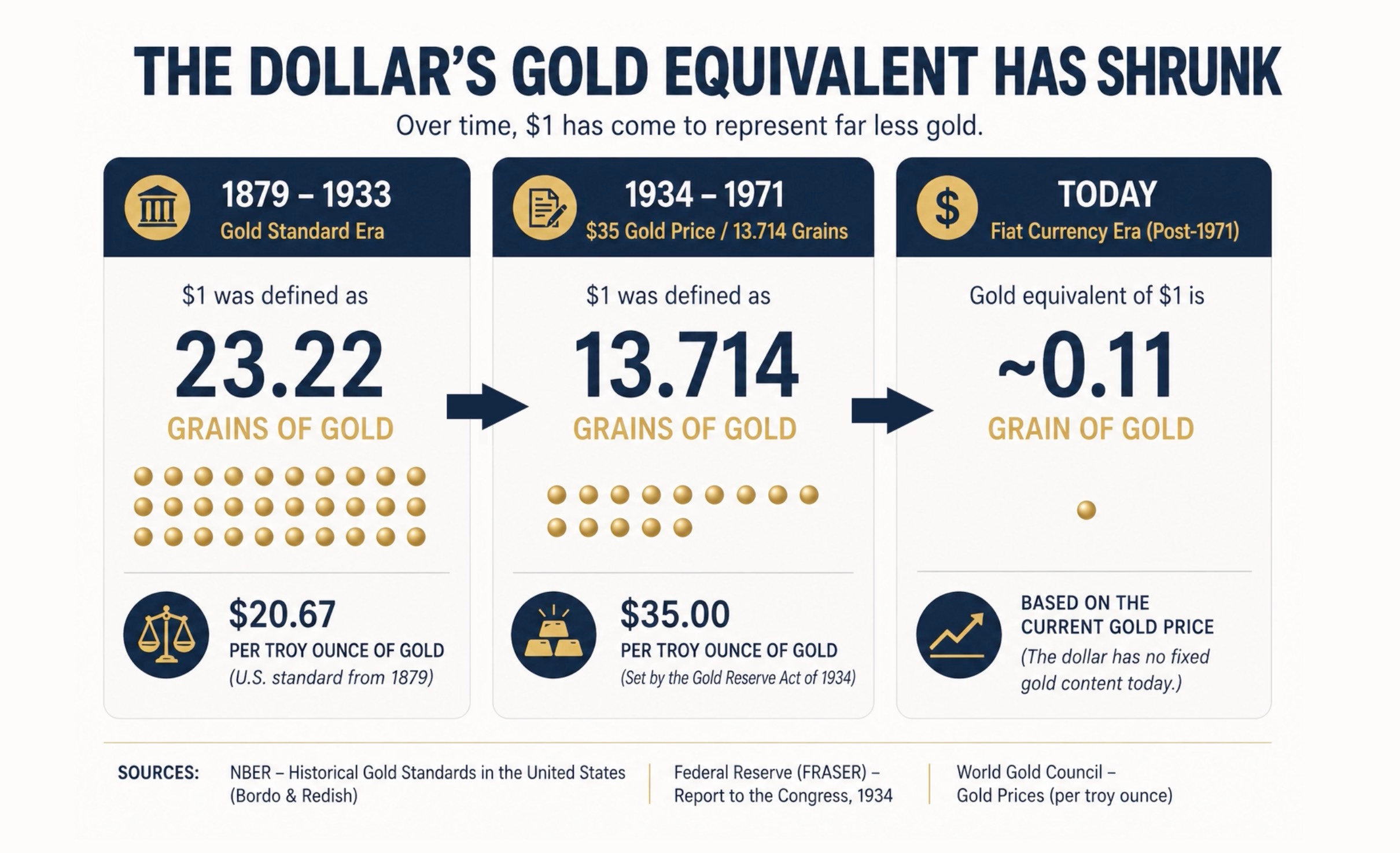
The dollar was once defined by the amount of gold behind it. In 1879, $1 represented 23.22 grains of gold. After the gold price was fixed at $35 an ounce in 1934, that fell to 13.714 grains.
And today? The equivalent is around 0.11 of a grain.
The pressure on currencies is now showing up elsewhere, too. Japan is a good example.
Japan depends on oil and LNG from the Gulf. Shipments from America’s strategic petroleum reserves have helped replace part of that supply, particularly for it. But those reserves are now being depleted.
Thus, Japan is facing three pressures at the same time:
Higher energy costs
Rising bond yields
An enormous debt burden
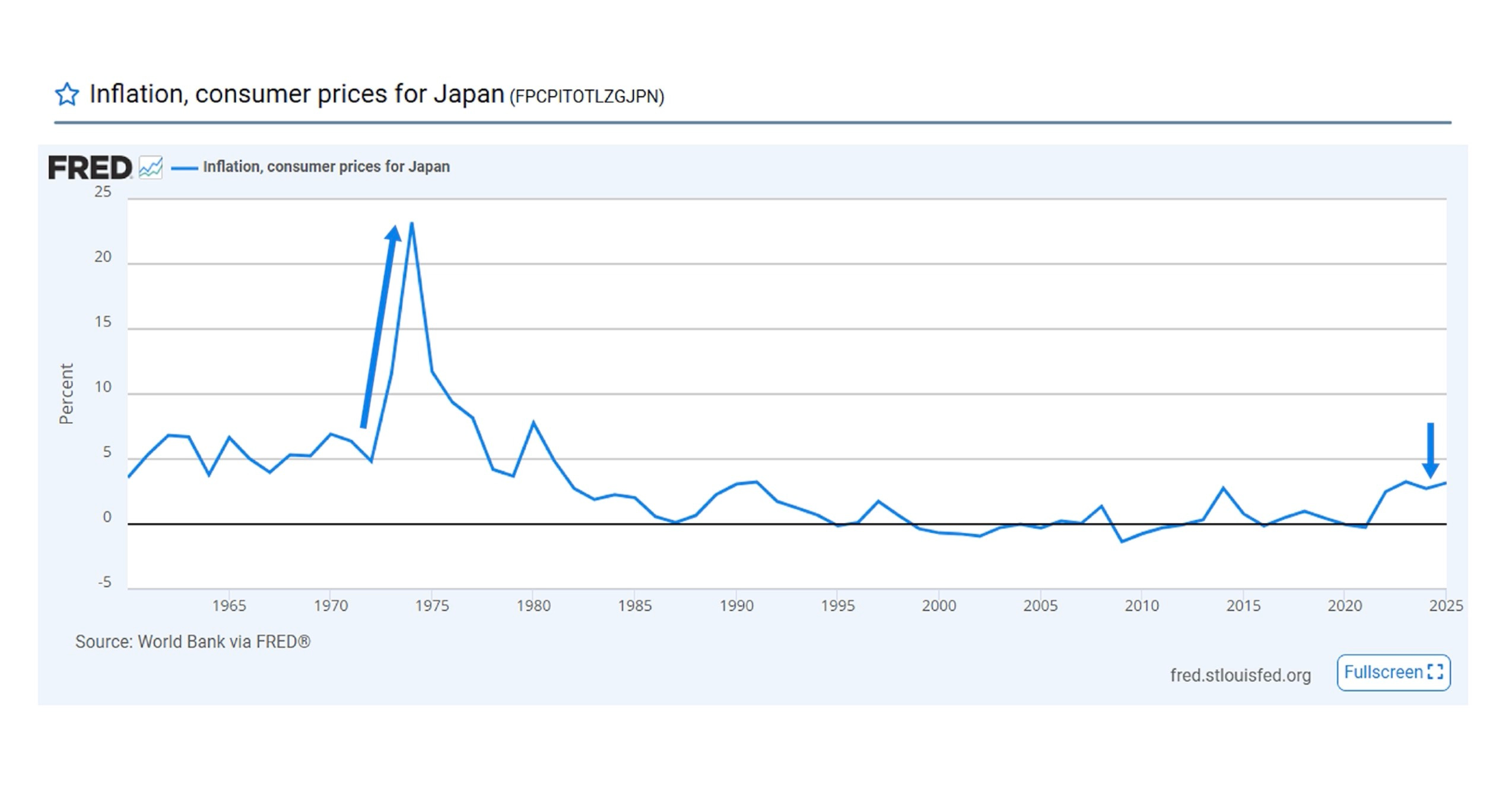
The situation brings back memories of the 1970s. During the 1973–74 oil crisis, Japanese consumer price inflation eventually reached between 25% and 30%.
It has also been a major source of capital for the U.S. and other G7 economies, including the U.S. Treasury market.
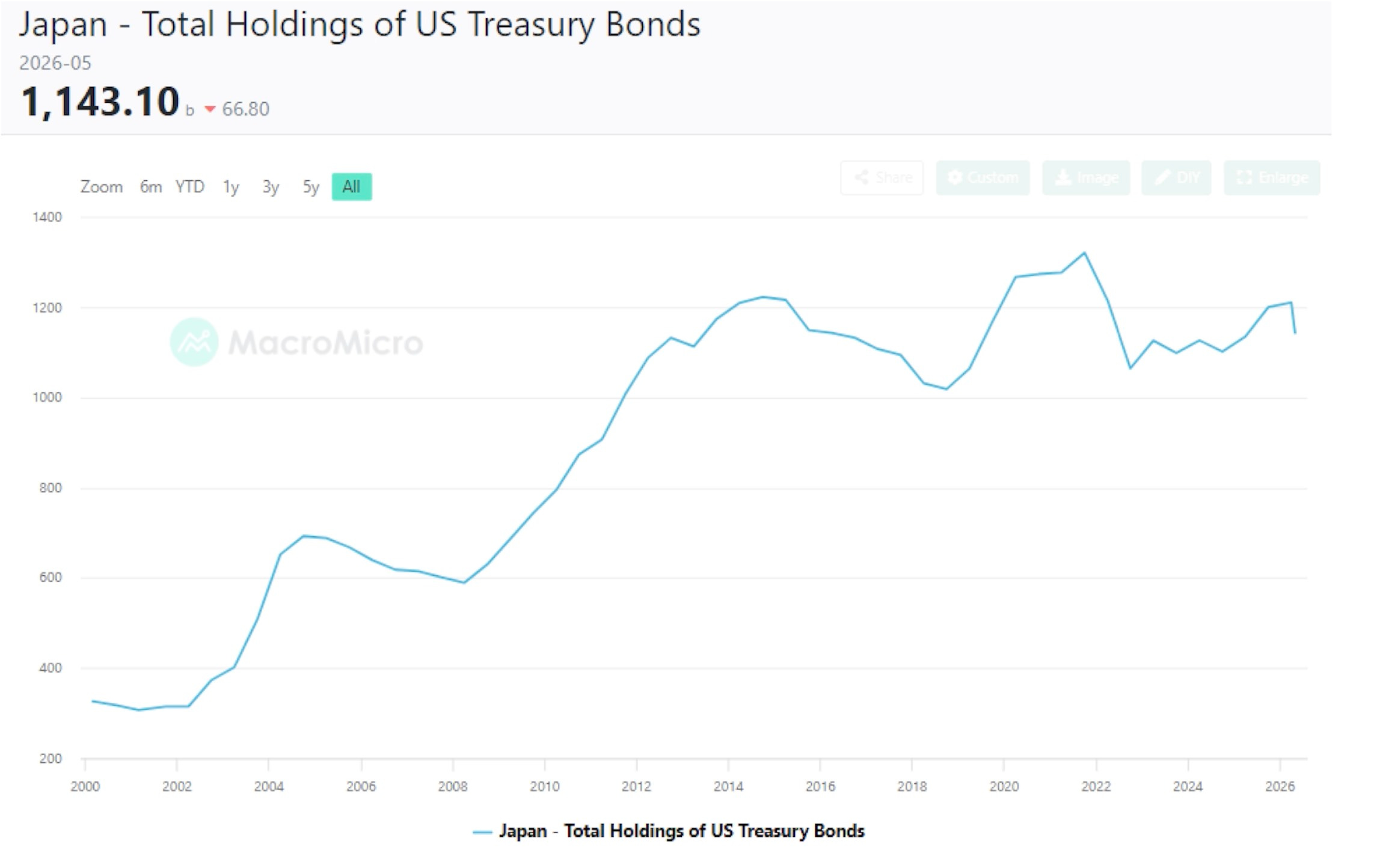
If Japanese institutions begin selling foreign assets to meet funding needs at home, those investment flows could start moving in the opposite direction.
That would put more pressure on bond markets.
The 10-year U.S. Treasury yield is already moving higher after breaking out of its previous range.
Higher oil prices could add to that pressure. More expensive energy would feed into consumer prices, while higher inflation would make it harder for bond yields to come down.
And this is where the argument returns to gold.
China has spent decades preparing for a world in which the dollar plays a smaller role.
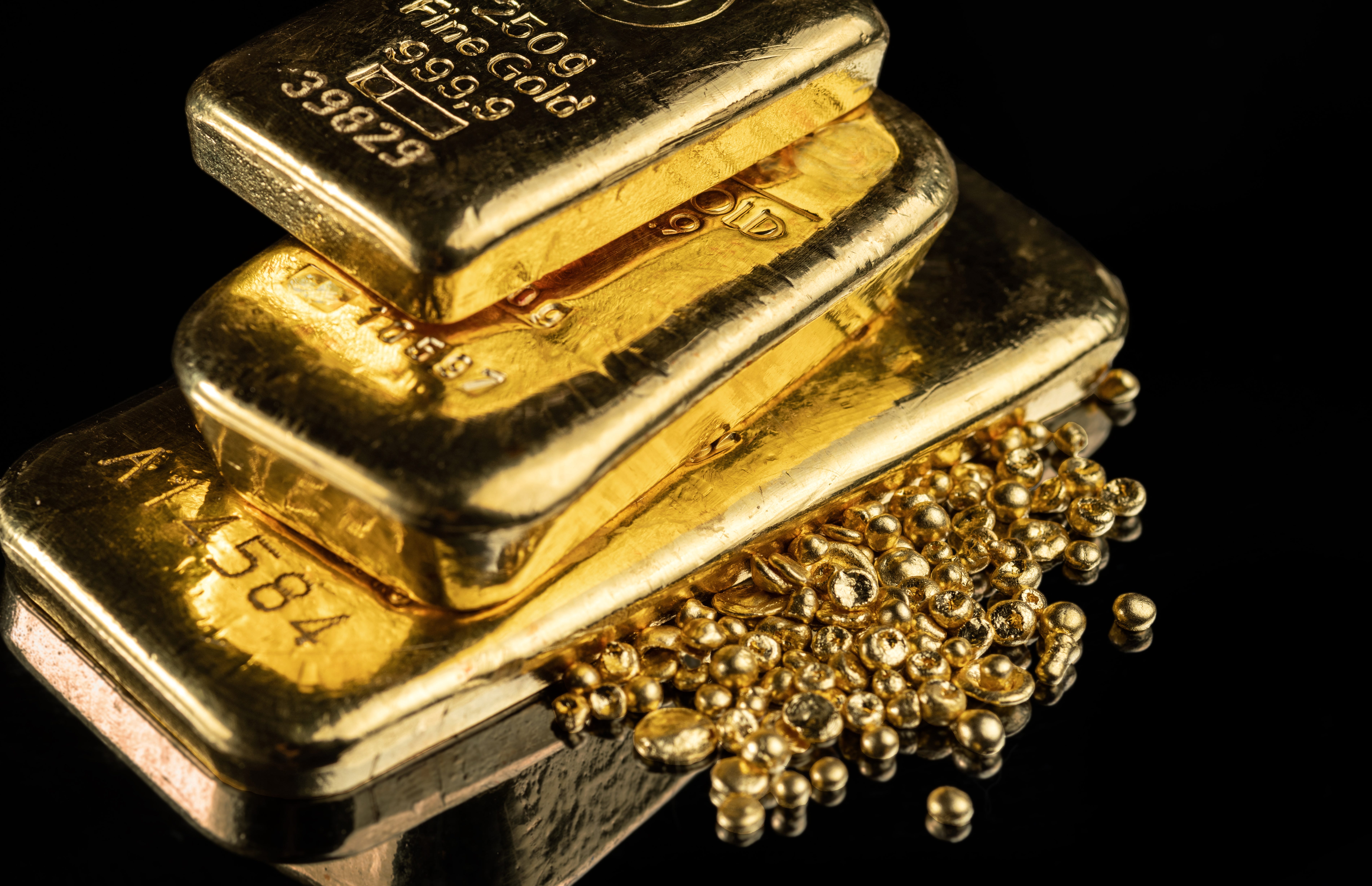
Since 1971, it has steadily built up its gold holdings, while recent measures have strengthened the connection between the Hong Kong gold market and the Shanghai Gold Exchange.
The free movement of gold between mainland China and Hong Kong would be important if China were to move toward a yuan backed by gold.
Russia could potentially take a similar path. But the G7 has far less room to return to a gold standard because doing so would require major cuts in government spending at a time when their economies are already under pressure.
That leaves the United States with two choices:
Protect the dollar and let the economy suffer OR protect the economy and let the dollar weaken.
Neither choice comes without consequences, and this brings us back to J.P. Morgan’s point.
When currencies are built on expanding credit, their value depends on confidence in the system behind them. Gold does not carry that same dependency.
KEY INSIGHTS
00:00 – 01:09 | Gold reveals the dollar’s long decline
The dollar’s gold equivalent has fallen from 23.22 grains in 1879 to around 0.11 grains today.
01:09 – 03:03 | Japan faces a new oil crisis
Depleting U.S. strategic petroleum reserves could leave Japan facing higher oil costs, a weaker currency, and rising bond yields.
03:03 – 04:18 | Japan’s debt problem could spread
Rising funding costs may force Japan to reduce its overseas investments, with potential consequences for U.S. Treasuries and other G7 bond markets.
04:19 – 05:19 | Oil could push inflation higher
Higher energy prices could feed into consumer inflation and put further pressure on bond yields.
05:19 – 06:41 | China is moving closer to gold
China is strengthening the connection between its Hong Kong and Shanghai gold markets as it prepares for a world where the yuan plays a larger role.
06:41 – 07:46 | Why the G7 cannot simply return to gold
A return to a gold standard would require major cuts in government spending at a time when economic weakness could demand more stimulus.
07:46 – 08:21 | America’s two choices
The U.S. can protect the dollar and risk the economy, or support the economy and accept further weakness in the currency.


