


Political and military conflicts often appear to be local events.
A ceasefire is announced → Negotiations resume → Markets react → Attention moves elsewhere.
But some conflicts have consequences that reach well beyond the battlefield. Iran War is one of them.
Rather than viewing it as an isolated dispute, it is placed within a much larger change taking place in international politics. China, Russia and several other countries are increasingly challenging a world order that has long been led by the United States.
Napoleon is often credited with saying, “Let China sleep; when she wakes, she will shake the world.” Whether or not he ever said those words, China’s growing influence has become one of the defining developments of this century.
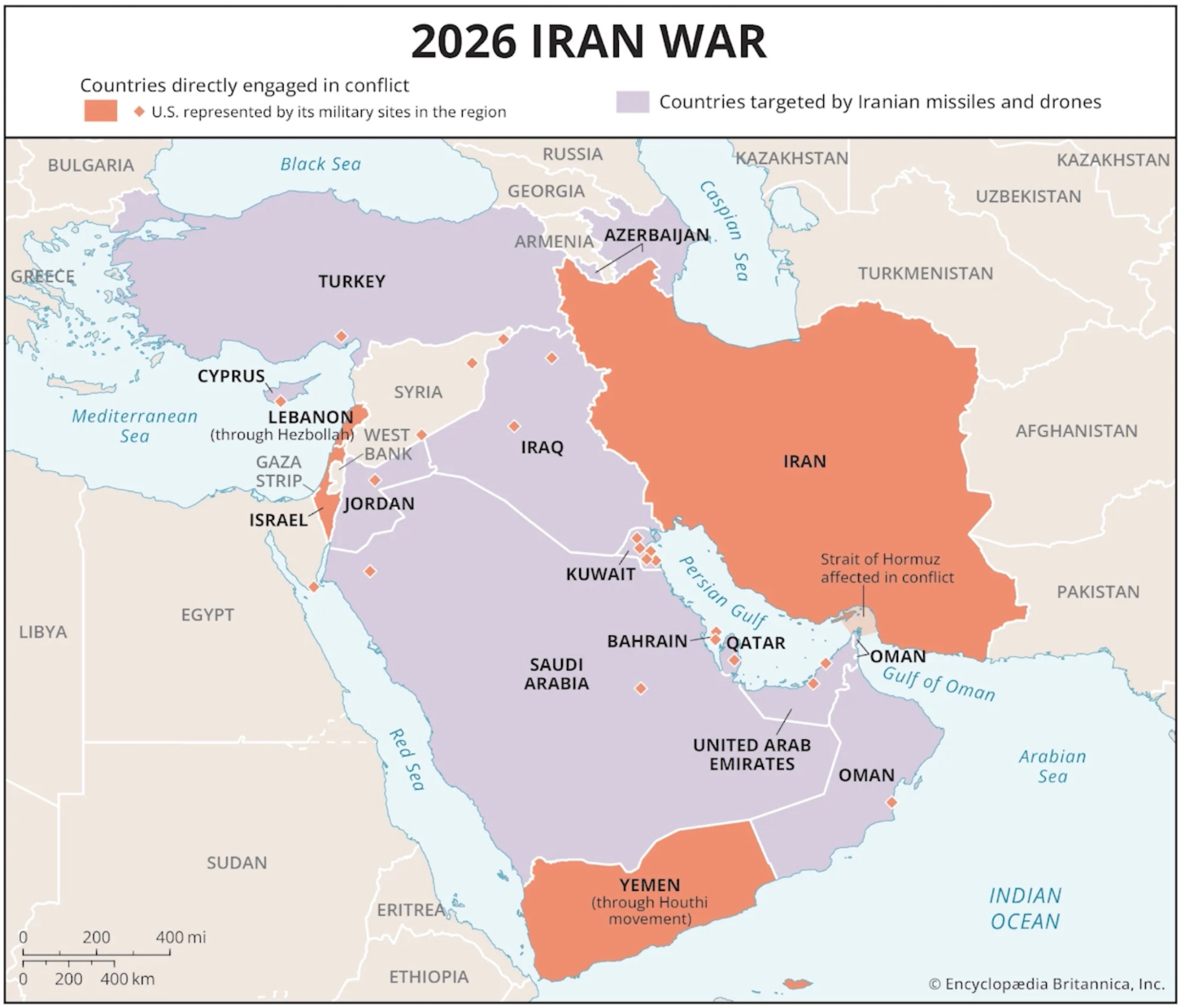
Within that framework, the conflict involving Iran takes on greater significance.
Iran occupies a strategic position at the entrance to the Strait of Hormuz, one of the world’s busiest energy corridors. Much of the oil exported from the Gulf passes through this narrow waterway before continuing toward Europe and Asia.
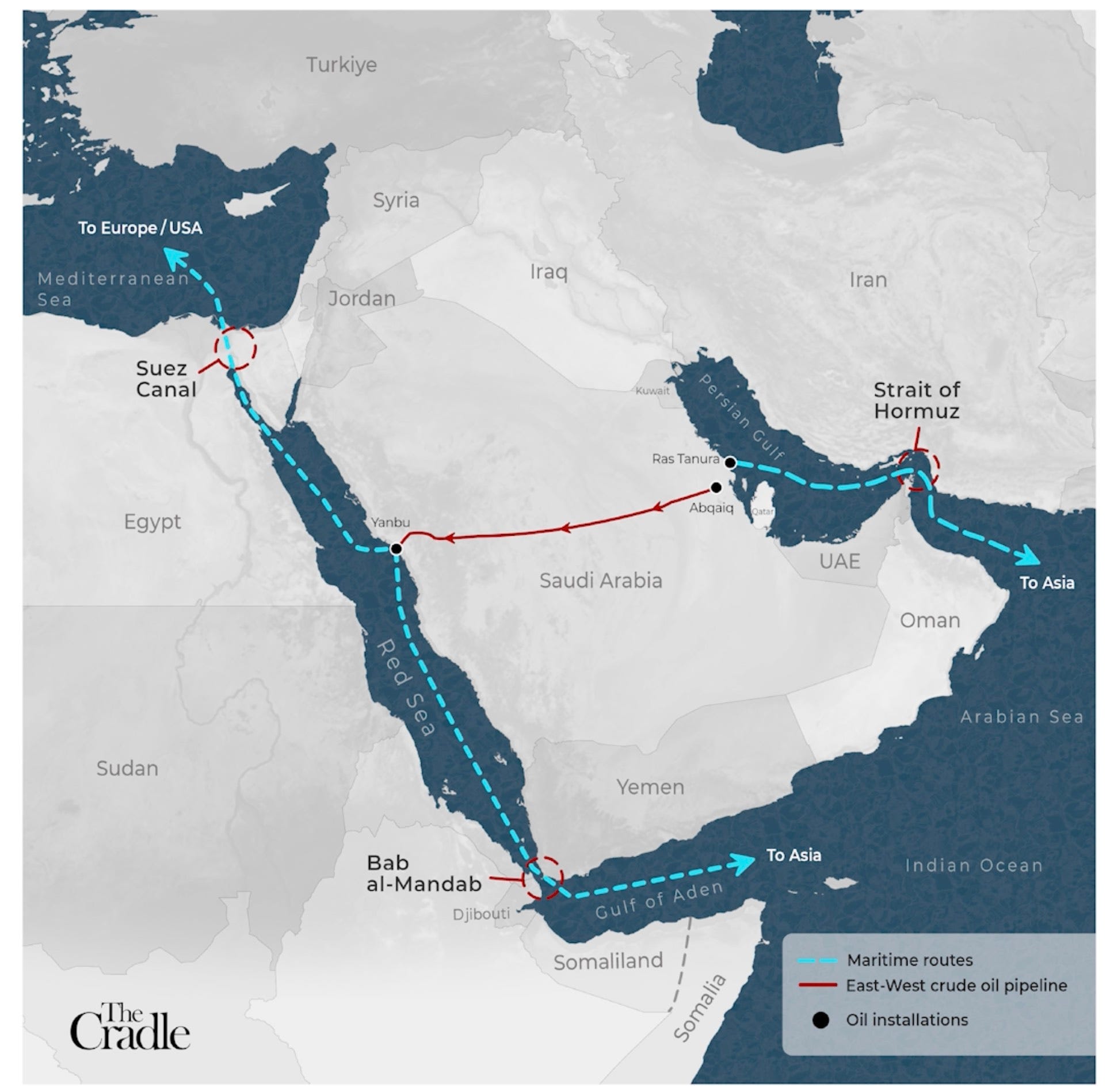
The Strait of Hormuz is only one link in the chain. Oil leaving the Gulf also passes through the Bab al-Mandab Strait before reaching the Suez Canal and international markets.
Control over these routes has consequences far beyond the Middle East. Any prolonged disruption would affect energy supplies, transportation costs and industrial production, eventually feeding through to the global economy.
The outlook assumes that the conflict is far from settled.
Negotiations have continued, but there are doubts that Washington will accept the conditions outlined in the proposed Memorandum of Understanding. In this framework, the current pause is viewed as temporary rather than permanent.
That matters because prolonged conflict comes at a cost for both sides.
For the United States, one concern is the growing strain on military resources. The war has required substantial use of missiles and drones at a time when replenishing those inventories is becoming more difficult.
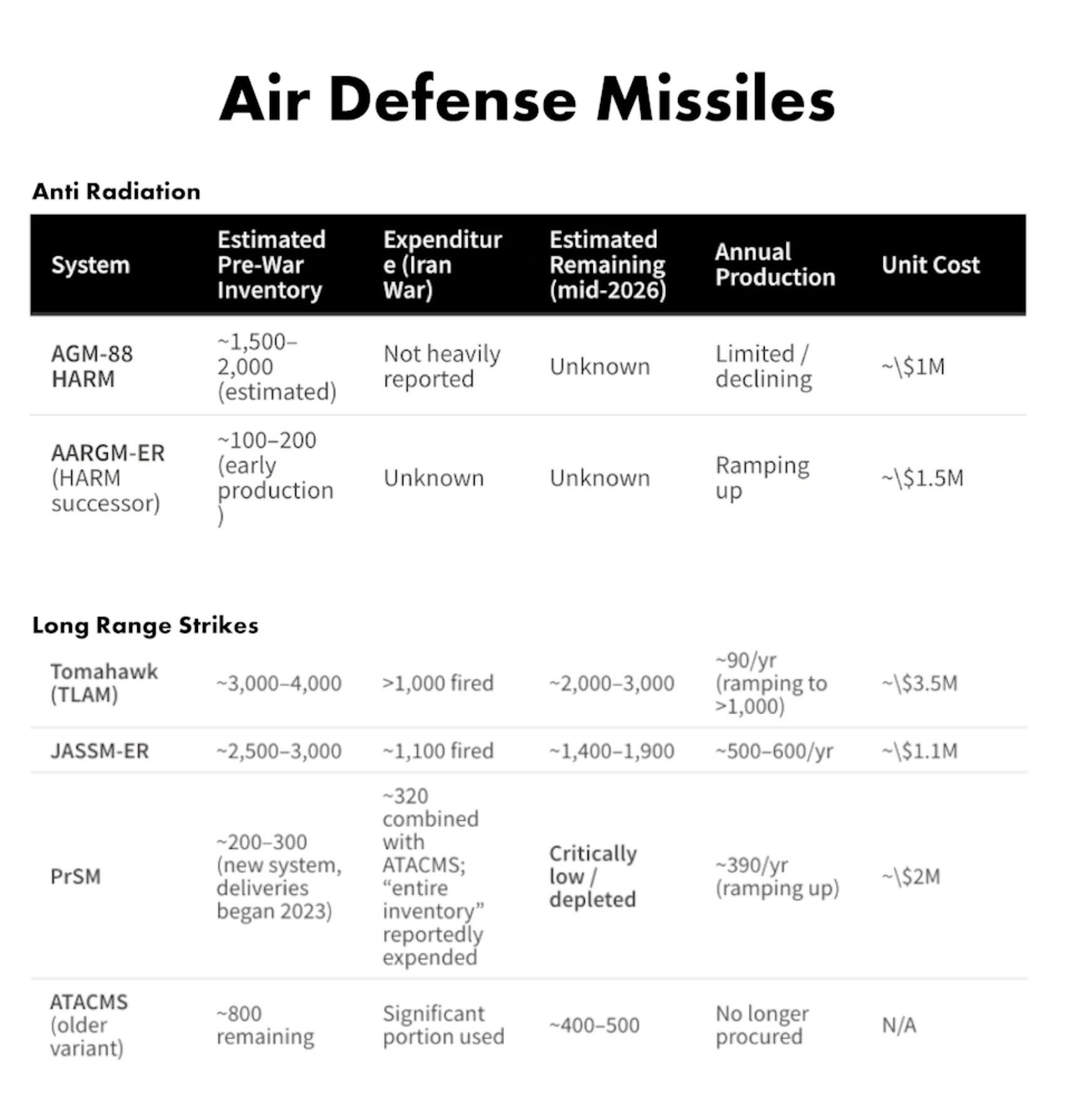
The pressure is not limited to defence.
Many American refineries were built to process sour crude oil from the Gulf. If emergency supplies continue to decline, the concern is not simply higher oil prices but tighter supplies of the products refined from that crude.
Diesel, jet fuel, gasoline and fertilisers all depend on those supply chains.
Recent price movements illustrate how quickly those pressures can appear. Sulphur, an important ingredient in fertilizer production, has risen sharply. European natural gas prices, heating oil and U.S. diesel have also moved higher since the conflict intensified.
The quoted price of a barrel of oil tells only part of the story. What matters just as much are the products inside that barrel and how disruptions work their way through the wider economy.
Higher energy costs would arrive at a time when the global financial system is already carrying record levels of debt.
That combination sits at the centre of the outlook.
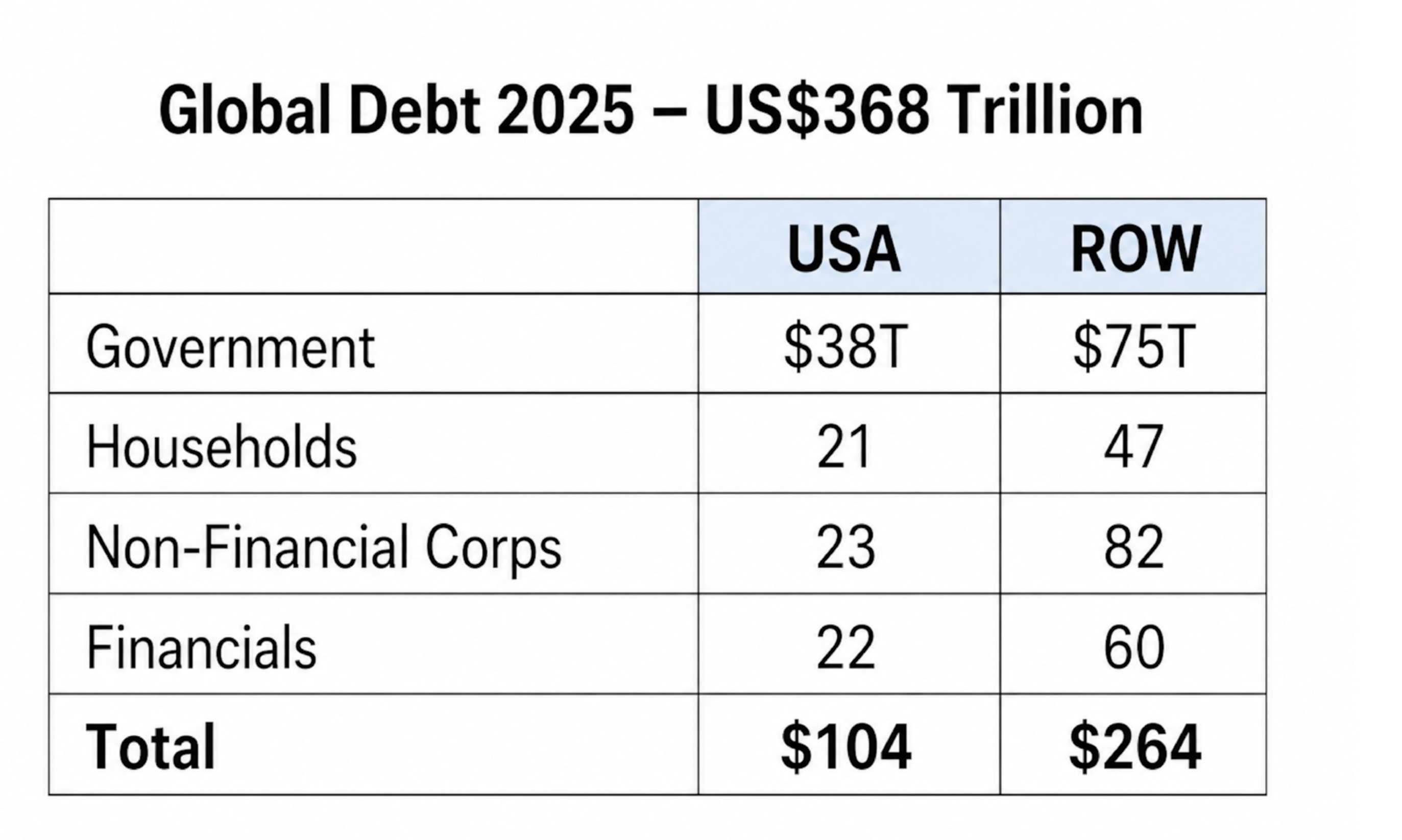
Global debt reached approximately $368 trillion last year, covering governments, households, corporations and financial institutions. According to the figures presented, the United States accounted for around $104 trillion of that total.
The figures also point to a growing dependence on debt.
For every dollar of economic growth generated in the United States, around $4.50 of additional debt was required. For the rest of the world, the ratio was considerably lower.
Debt alone is not the concern.
Attention is also drawn to the growing use of leverage throughout the financial system. Credit spreads remain close to cycle lows, consumer loans continue to be packaged into securities, and private credit has expanded rapidly over recent years.
The comparison is not exact, but the parallels with 2008 are difficult to ignore.
Then, highly rated securities concealed risks that many investors failed to recognize until markets began to unwind. The concern today is that leverage has once again become deeply embedded throughout the financial system.
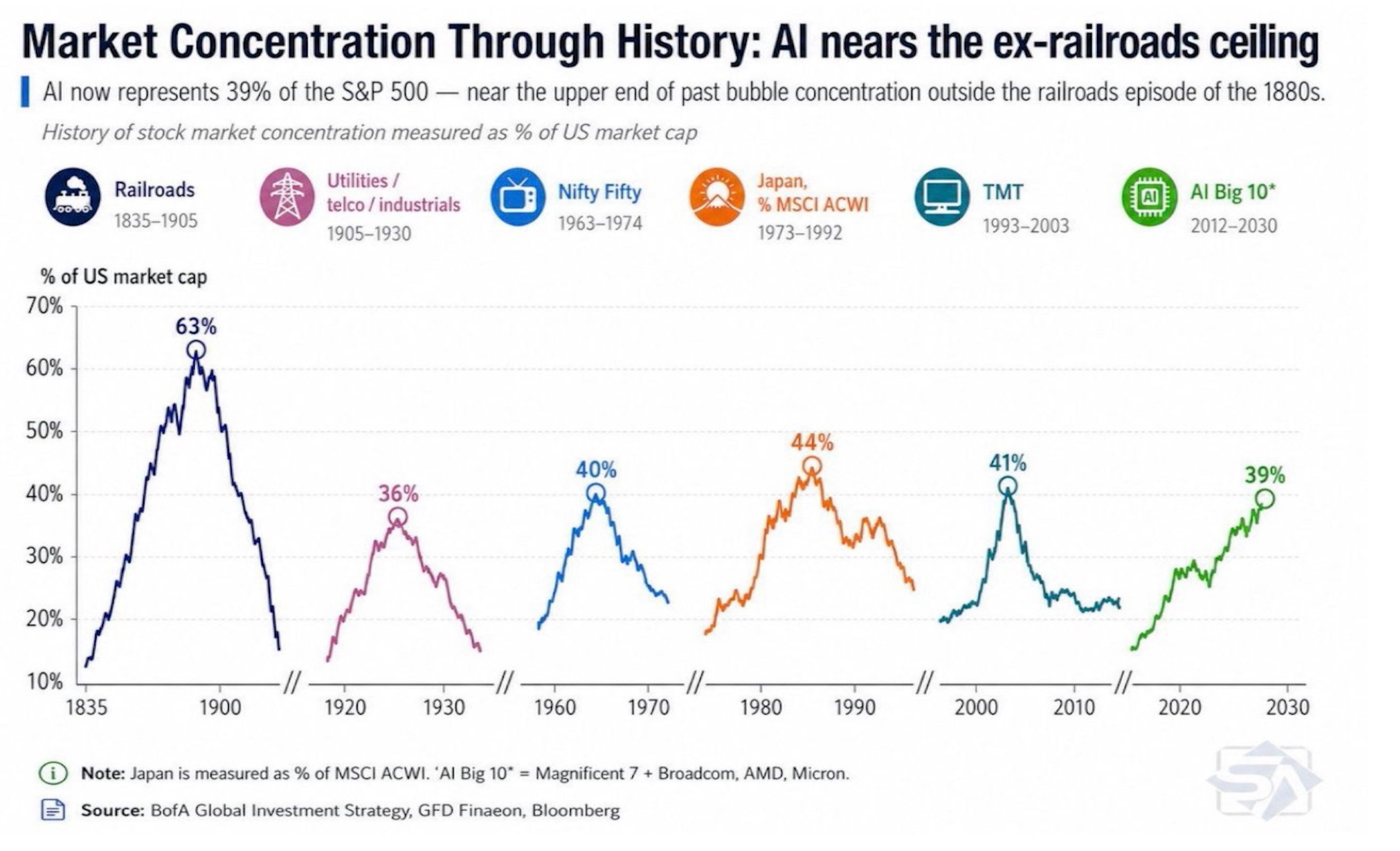
Whether those vulnerabilities result in a crisis cannot be known in advance.
The expectation presented here is that 2027 will bring recessionary conditions, prompting another round of monetary and fiscal stimulus to support economic activity.
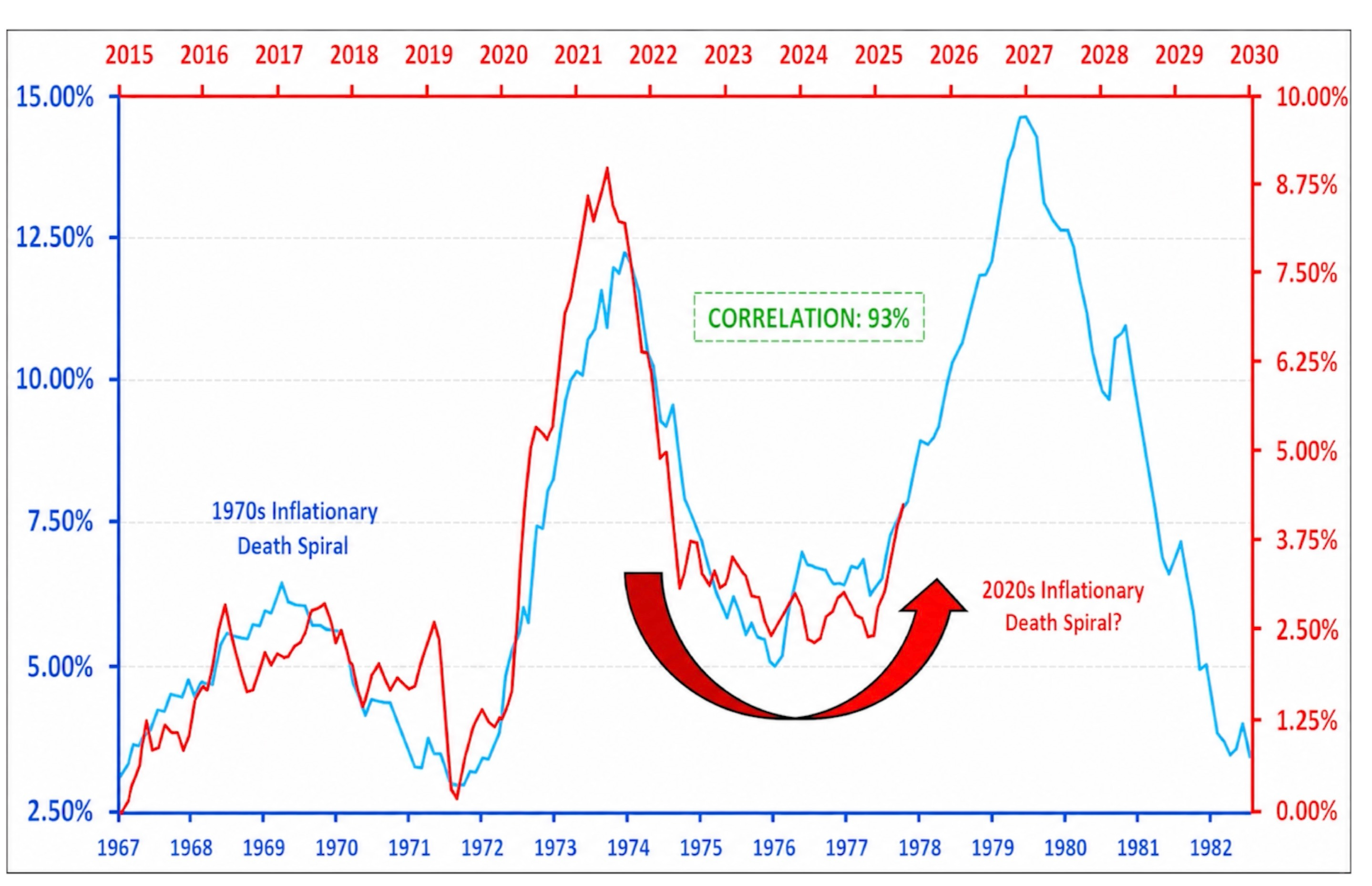
The comparison is drawn with the years between 1978 and 1982, when inflation accelerated alongside rising interest rates. This time, monetary policy, higher energy costs and rising food prices are expected to reinforce one another, placing additional pressure on governments, businesses and consumers.
At the same time, the U.S. dollar could weaken if confidence in the existing monetary system continues to erode.
These conditions also raise questions about what comes next.
The United States may seek to strengthen its financial system through stablecoins or another digital currency linked to government debt.
China, meanwhile, continues to expand its gold and yuan infrastructure, reinforcing the role that gold could play within the international monetary system.
This brings us to gold.
THE REFUGE THAT GOLD PROVIDES
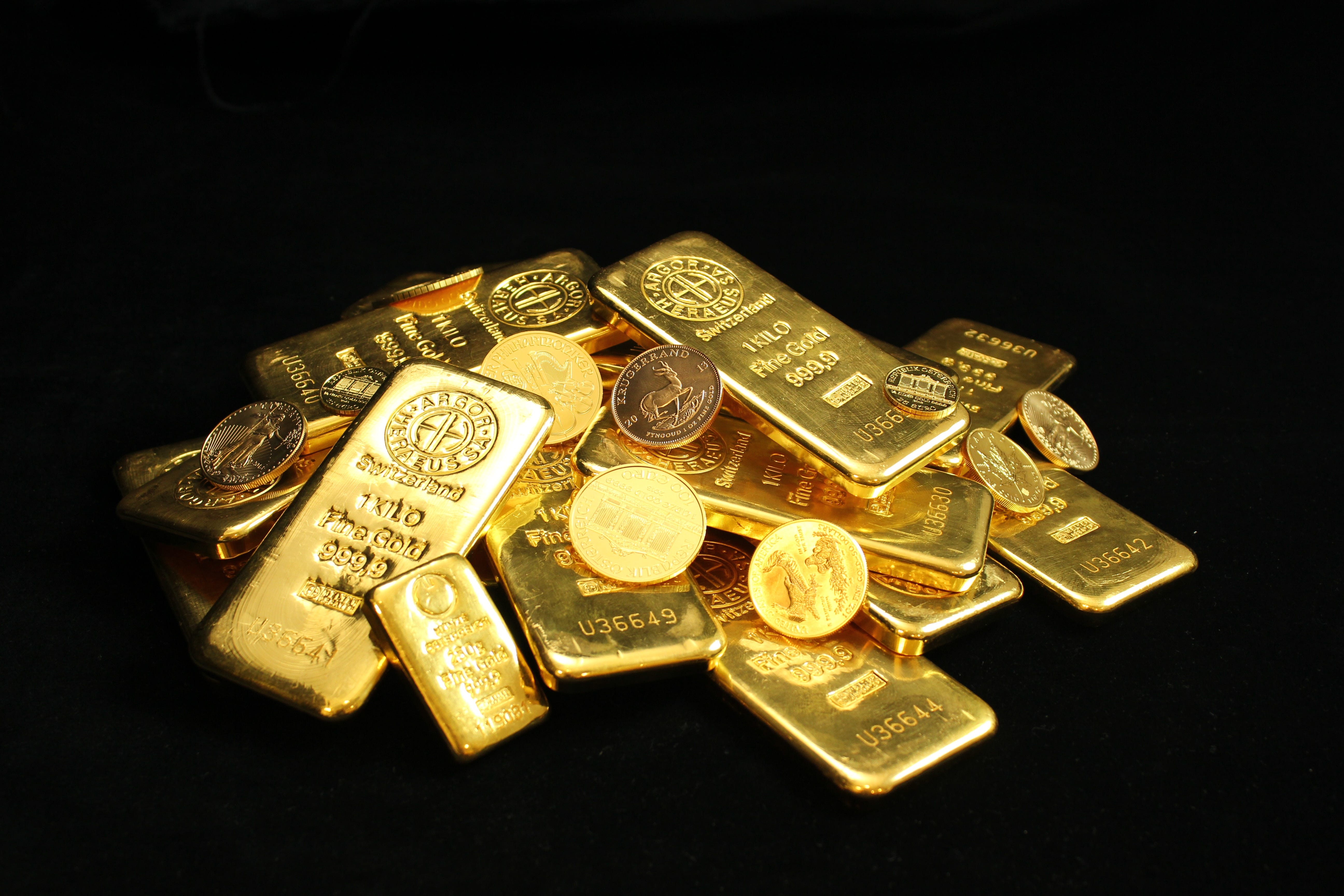
Periods like these have historically increased the importance of liquidity, purchasing power and financial security.
Within this outlook, physical gold is valued for the liquidity it can provide when needed… and for its ability to preserve purchasing power through periods of inflation and monetary instability.
Wars and financial turmoils can’t always be avoided. Preparing for them begins with holding real wealth.
KEY INSIGHTS
00:00 – 01:35 | The world order is changing
The conflict involving Iran is presented as part of a broader shift from a U.S.-led world toward a multipolar system shaped by China, Russia and other nations.
01:36 – 04:05 | Why the Strait of Hormuz matters
Control of key shipping routes could influence global oil flows, regional security and the balance of power in the Middle East.
04:06 – 06:07 | The hidden cost of the oil conflict
The greater risk may lie inside the barrel, as shortages and rising prices for refined products work their way through the global economy.
06:08 – 08:10 | A financial system built on debt
Record debt levels, growing leverage and similarities to 2008 raise questions about how resilient today’s financial system really is.
08:11 – 09:58 | Inflation and the next monetary reset
Higher energy and food prices, rising inflation and competing monetary systems could define the years ahead.
09:59 – 10:35 | Gold remains the refuge
Physical gold is presented as protection against inflation, currency weakness and financial instability.


