


Crude oil is around $100 a barrel today.
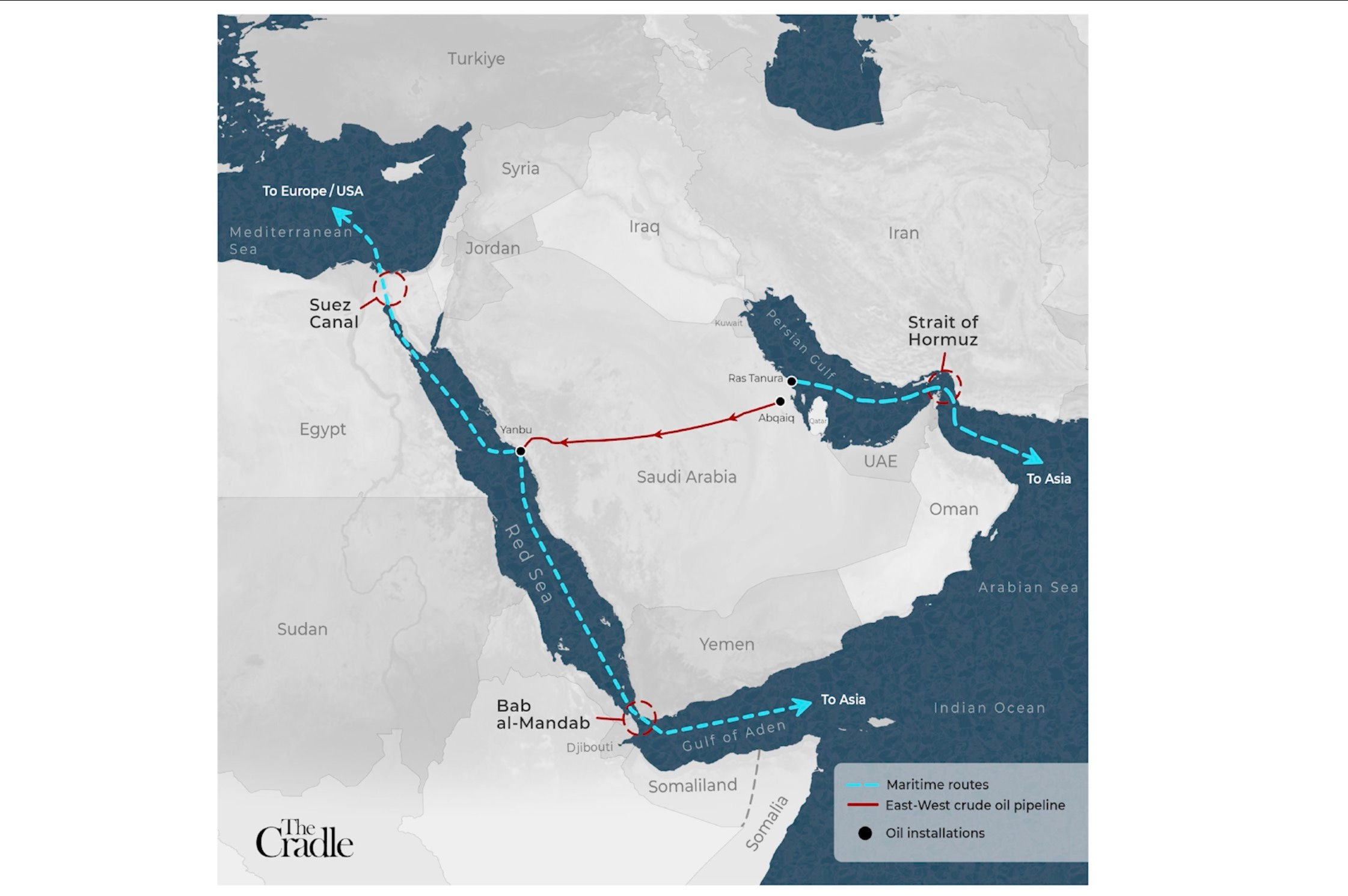
If the Strait of Hormuz remains closed to most shipping and the routes into and out of the Red Sea remain restricted, crude could be closer to $200 by the end of next year.
But the real impact will be on product prices.
Gasoline could rise above $7 a gallon and diesel above $9.
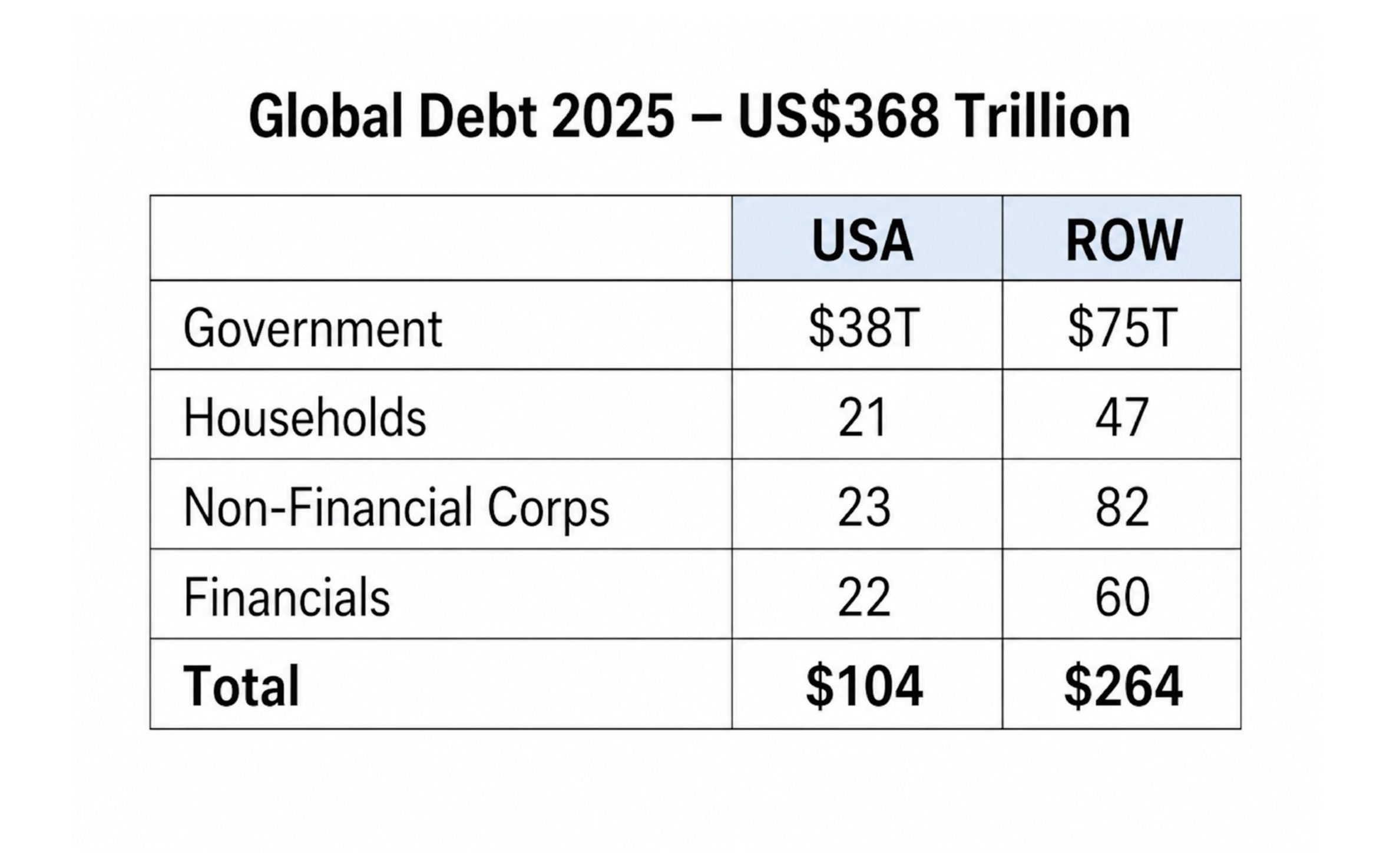
That would have serious consequences for the U.S. economy, particularly with more than $100 trillion of debt and a financial system that is already highly leveraged.
The first stage could be a correction in the S&P 500.
A 6% to 8% correction is expected before the traditional year-end rally, which could take the index toward 8,500.
But with recession and some of the excesses in the financial system exposed, the S&P 500 could fall toward 5,000. Base-metal prices would also decline.
That would put the U.S. economy into recession next year.
The next phase could be even more difficult.
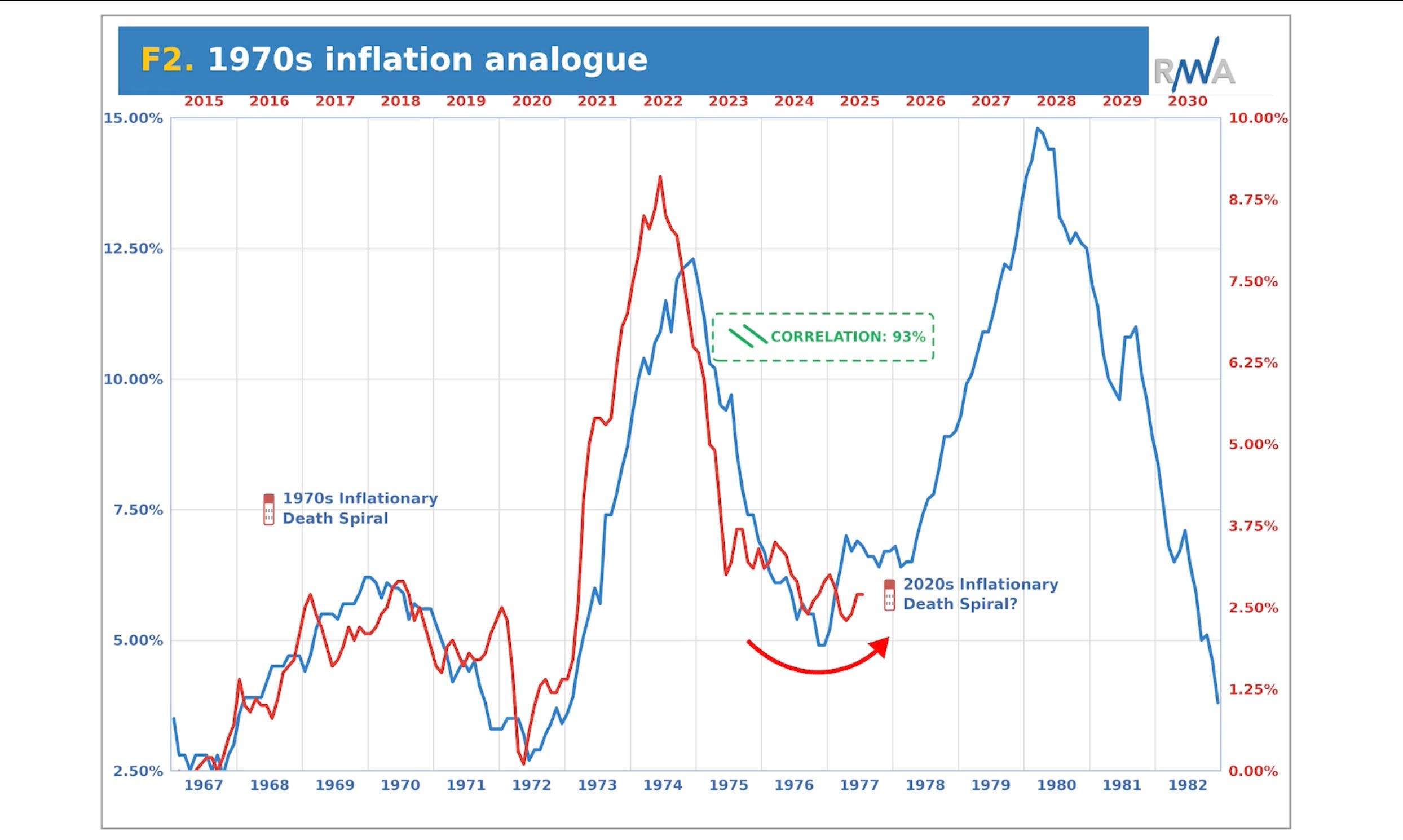
The expectation is that the Federal Reserve will begin stimulating more aggressively in the fourth quarter of 2027. That would mark the beginning of a strong inflationary period extending into 2030–2032.
During those years, equity and base-metal prices could rise sharply. The S&P 500 could reach more than 10,000, while copper could reach $28,000.
But those figures need to be measured against the dollar.
If the DXY falls by half, an S&P 500 above 10,000 or copper at $28,000 would represent much less in 2026 dollars.
This is one reason physical gold becomes so important in the outlook.
The recommendation is to use stock-market rallies to reduce equity exposure and buy physical gold held outside the banking system.
“On every rally in the stock market, it will be prudent to liquidate and to buy physical gold.”
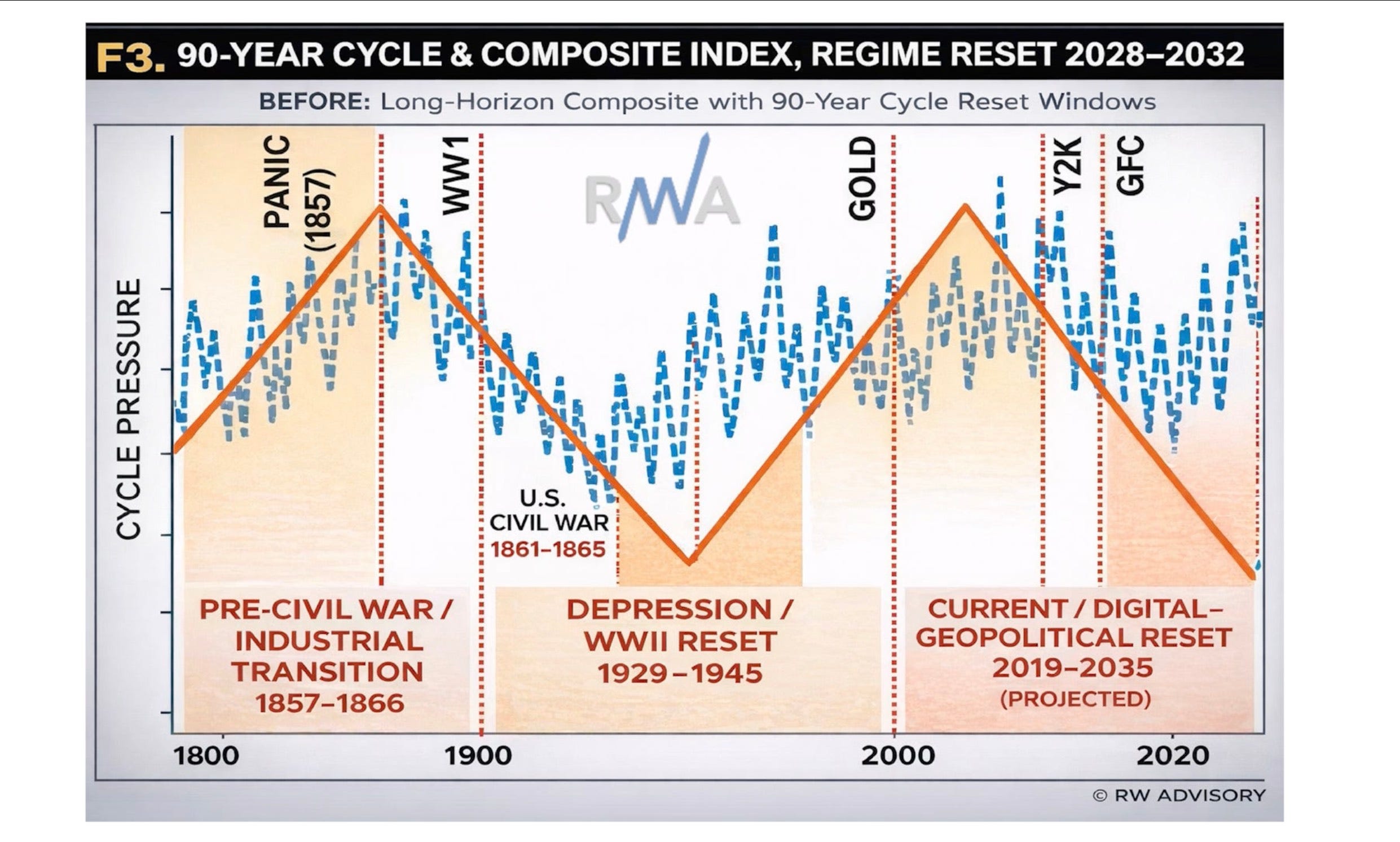
The period after 2030 could then bring a major crash in asset values. A monetary reset is expected during this phase, potentially involving a cryptocurrency linked to U.S. government debt.
China is moving in a different direction.
Its RMB and gold trading facilities in Hong Kong have been expanding. The expectation is that China could announce a currency backed by the gold held by its citizens and government, potentially as early as 2028.
The estimates presented put Chinese private gold holdings at around 25,000 to 27,000 tonnes, with government holdings potentially adding another 25,000 tonnes.
This leaves two very different monetary possibilities:
A currency backed by government debt
A currency backed by gold
For investors, the issue is ultimately purchasing power.
If oil rises toward $200, inflation accelerates, the dollar loses half its value, and financial markets eventually suffer a major correction, nominal prices will tell only part of the story.
Physical gold provides a way to hold wealth without depending on the continued strength of the dollar or the banking system.
KEY INSIGHTS
00:17 – 01:27 | Oil could reach $200 a barrel
Restricted shipping through Hormuz and the Red Sea could push crude toward $200, gasoline above $7, and diesel above $9.
01:28 – 02:56 | Recession could hit in 2027
The S&P 500 could rally toward 8,500 before falling toward 5,000 as recession exposes financial excesses.
02:57 – 03:52 | Inflation returns through 2030–2032
Fed stimulus could trigger a strong inflationary period that continues into 2030–2032.
03:53 – 04:31 | The dollar could lose half its value
The DXY could fall by 50%, changing the real value of rising equity and commodity prices.
04:32 – 05:18 | A major asset crash could follow
The period after 2030 could bring a major decline in asset values and a new monetary reset.
05:19 – 06:11 | China prepares for a gold-backed yuan
China is expanding its RMB and gold trading facilities in Hong Kong and could move toward a gold-backed currency.
06:12 – 06:35 | Physical gold becomes the protection
Physical gold held outside the banking system is presented as protection against a major decline in asset values and currency weakness.


