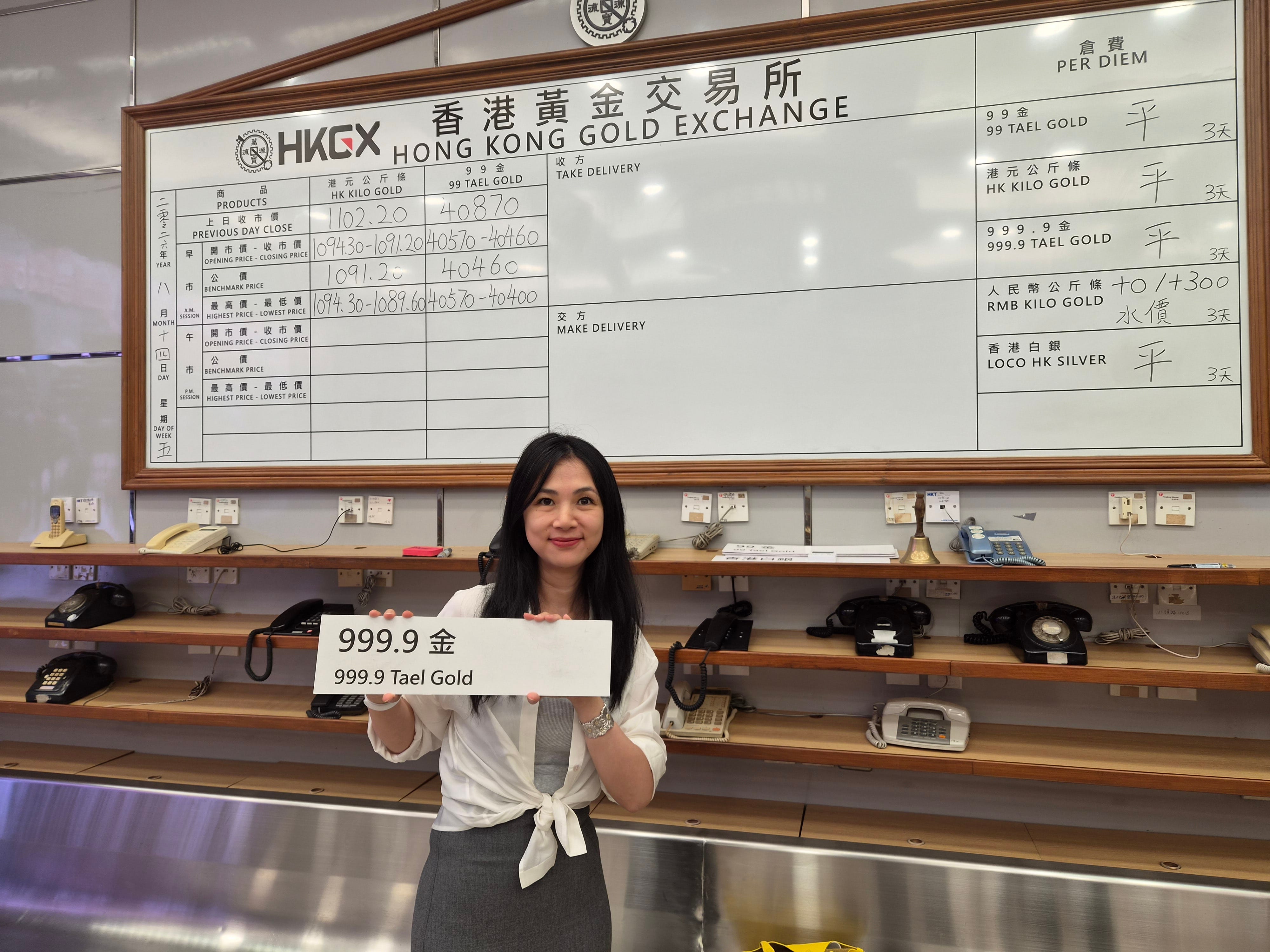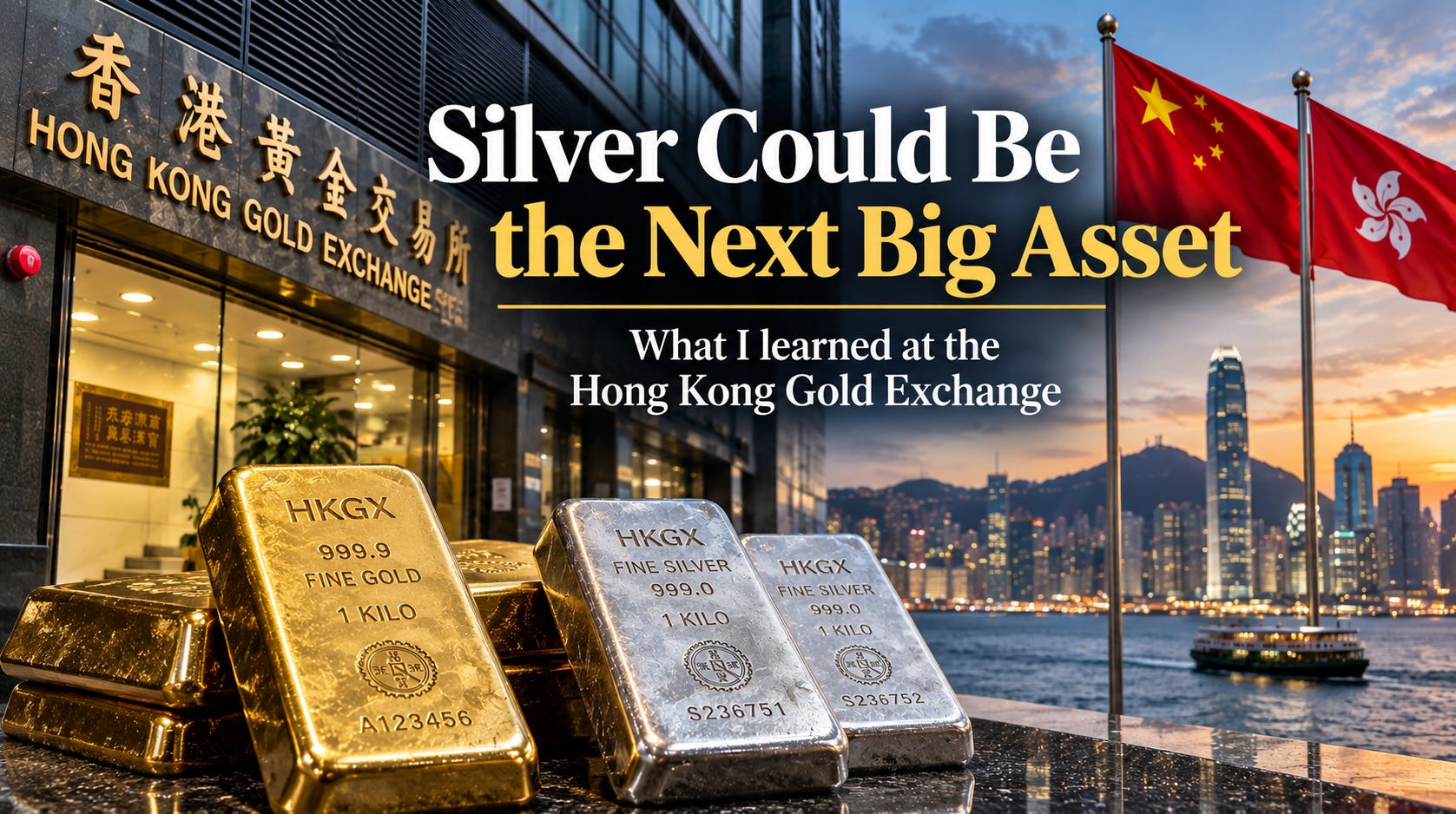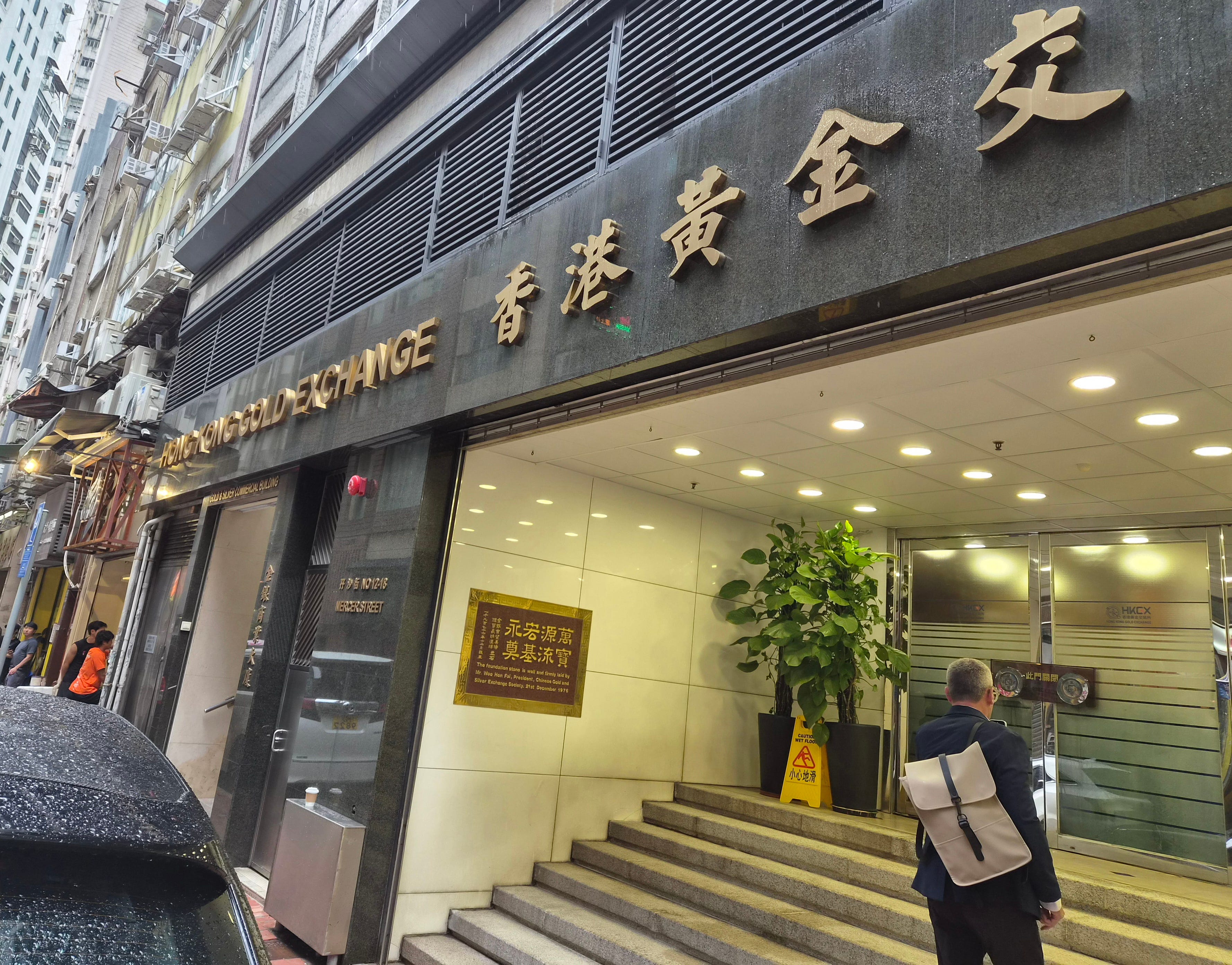
I recently sat down with Brian Fung, CEO of the Hong Kong Gold Exchange, to discuss the changing role of Hong Kong in the precious-metals market.
Ahead of the meeting, Alasdair Macleod had given me four questions he wanted me to put to the Exchange.
Among them: Can bullion leave Mainland China for Hong Kong without PBOC permission? Which currencies are actually being used? And after gold, could silver be next?
Following the meeting, I asked the Exchange to clarify several points in writing.
Here is what I learned.
China Is Not Opening the Gold Floodgates
During the interview, I asked Mr. Fung whether Mainland residents could export bullion to Hong Kong without permission from the People’s Bank of China.
My notes record his answer:
“This is a very remote possibility and is not yet possible.”
The Exchange subsequently gave me a more detailed written clarification.
Gold remains a restricted import and export item. Commercial exports remain subject to permits and PBOC oversight.
For individuals, the Exchange highlighted a practical 50-gram threshold. Above that, declaration and supporting documentation are required, and individual exports exceeding 50 grams are, in practice, not feasible. Larger quantities must follow the regulated corporate route.
Interestingly, the Exchange said the same applies to silver.
The message is clear: China may be developing greater connectivity with Hong Kong, but that does not mean uncontrolled bullion exports.
Gold Is Already Trading in Three Currencies
My second question concerned currencies.
The Exchange confirmed in writing that Hong Kong gold trading principally uses HKD, USD and offshore renminbi (CNH).
Traditional Hong Kong products are mainly settled in HKD. London gold and silver contracts use USD. And products connected with the Shanghai Gold Exchange, including RMB kilogram gold bars, principally use CNH.
That matters.
The renminbi does not need to replace the dollar tomorrow. What matters is that the infrastructure already exists for physical gold to trade in different currencies, including CNH.
Is Silver Next?


Brian Fung, Chief Executive Officer, Hong Kong Gold Exchange. The man who runs the institution at the centre of China’s gold strategy.
This was perhaps the most interesting part of my conversation with Fung.
I asked whether the developing market arrangements could eventually be expanded to silver.
According to my contemporaneous notes, his response was:
“Yes, absolutely. They would like to expand the new market arrangements to include silver.”
That is not a launch date or a formal announcement.
But it tells us where the Exchange would like to go.
And it matters because silver could broaden a physical precious-metals infrastructure that is increasingly connecting Hong Kong with Mainland China.
Why This Matters
Alasdair Macleod has argued for years that China’s gold strategy is about more than accumulating reserves.
It is about building monetary infrastructure around physical gold.
Hong Kong could become an increasingly important bridge between China’s domestic gold market and the international financial system.
What we learned from the Exchange is therefore significant:
Mainland bullion exports remain controlled. Hong Kong gold already operates across HKD, USD and CNH. And during my conversation with its CEO, he indicated that they would like the developing market arrangements to extend to silver.
None of this means the dollar disappears tomorrow.
But monetary systems rarely change overnight.
The infrastructure of the next system is usually built while the old one is still operating.
Hong Kong is one of the places where that infrastructure is taking shape.
And if what I heard from the CEO becomes reality, gold may only be the beginning.
Silver could be next.